When the will is wrong, the courtroom is the remedy.
A signature that appeared in the final months. A caregiver who became the sole beneficiary. A trustee who stopped answering questions. These cases are about evidence and deadlines, and we bring both to the Los Angeles probate courts.
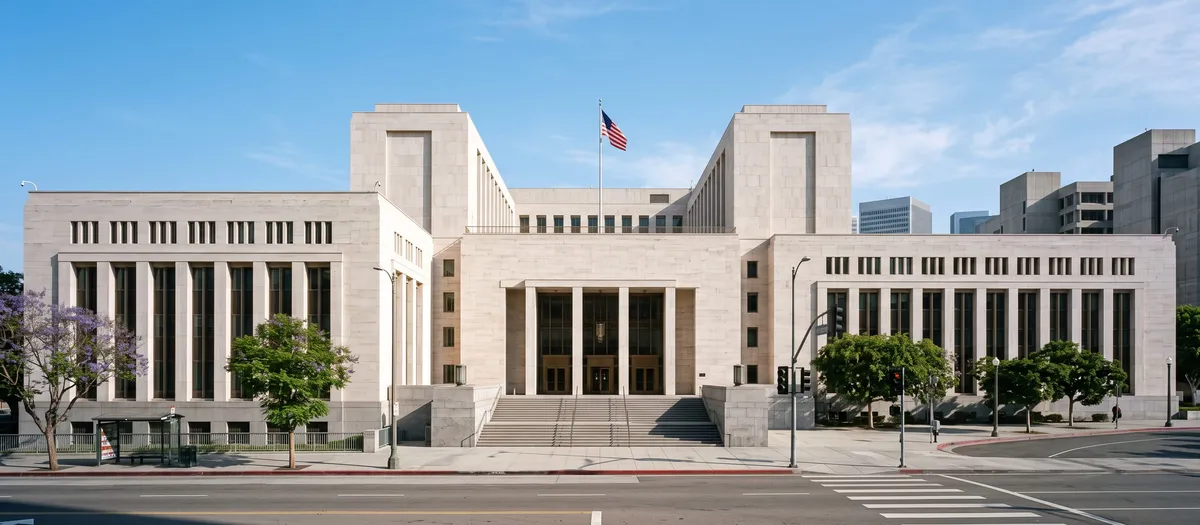
Most estates settle without a fight, which is the outcome our administration and trust administration work is built to produce. Litigation exists for the rest: the will that contradicts thirty years of stated intent, the amendment signed six weeks before death, the sibling trustee whose accounting never arrives. We represent beneficiaries, heirs, and fiduciaries on both sides of these disputes in the probate departments at the Stanley Mosk Courthouse, and we take them on with a specific posture: measured in tone, thorough in preparation, and unwilling to be outlasted. Anger files weak cases. Evidence wins strong ones.
Grounds to set aside a will or trust
California does not undo an estate plan because it is unfair. It undoes one that was never validly made. The recognized grounds are concrete. Lack of capacity means the person no longer understood what they owned, who their family was, or what the document did, often established through medical records and the testimony of people who saw the decline. Undue influence means someone in a position of power over a vulnerable person procured a document the decedent would not otherwise have signed; California statutes direct courts to weigh factors such as the victim's vulnerability, the influencer's apparent authority, the tactics used, and the inequity of the result. Fraud covers documents signed because of lies. Forgery is exactly what it sounds like, and document examiners still make their living proving it. A case may rest on one ground or several, and the investigation usually reaches subpoenaed medical records, drafting attorney files, and bank statements before anything else.
How much a no-contest clause really deters
Nearly every California trust contains a clause disinheriting anyone who challenges it, and nearly every potential client asks about it first. The clause matters less than its reputation. Under Probate Code section 21310 and the sections that follow, no-contest clauses are enforced only against limited categories of filings, principally direct contests brought without probable cause. In plain terms, a contest grounded in genuine evidence is generally safe to bring, while a speculative one carries risk. We give that assessment honestly before filing, because the clause analysis should shape strategy, not fear.
Financial elder abuse
Some cases turn less on the document than on the years before it: the new signer on the bank account, the deed transferred for nothing, the isolation from old friends who asked too many questions. California's elder abuse statutes provide civil claims for the wrongful taking of an elder's property, with remedies that can include enhanced damages and attorney's fees. These claims often travel alongside a trust contest and can reach property that left the estate long before death.
Removing and surcharging a fiduciary
Executors and trustees hold other people's money, and the probate court polices how they hold it. Beneficiaries can compel an accounting, seek removal of a fiduciary who has breached the role or cannot serve impartially, and pursue a surcharge, a money judgment against the fiduciary personally for losses caused by the breach. We bring these petitions for beneficiaries left in the dark, and we defend conscientious trustees against accusations that are really disappointment wearing a legal theory. Having stood on both sides is an advantage in either chair.
Recovering property: the 850 petition
When estate or trust property has ended up in the wrong hands, a petition under Probate Code section 850 asks the probate court to order it back: the house deeded to a caregiver, the account emptied under a power of attorney, the property a decedent agreed to transfer but never did. The procedure keeps the dispute in probate court rather than splintering it into separate civil suits, and in appropriate cases the statute allows for doubled recovery against a wrongful taker.
Deadlines and how these cases end
Timing decides more probate disputes than merits do. Service of a trustee's notice under Probate Code section 16061.7 starts the 120 day contest period, and a challenge filed on day 121 is generally finished before it begins. Objections to a will must be raised within the probate case itself, on the court's schedule, not yours. If you suspect a problem, the file should be reviewed while the clock still has time on it. As for endings: most of these cases resolve at mediation, where a retired judge or experienced neutral spends a day testing both sides' evidence, and families trade the certainty of a settlement for the expense and permanence of a trial. We prepare for the courtroom and negotiate from that preparation. The cases that do try are tried to the bench, and they are won on the record built in the year before anyone said "your honor."
Before you decide whether to fight.
How long do I have to contest a trust in California?
If you received the statutory notice under Probate Code section 16061.7, generally 120 days from the date it was served (or 60 days from delivery of the trust terms if you requested them, whichever is later). That clock is short and unforgiving, so treat the notice as a deadline, not an announcement. Will contests and other claims run on their own timelines, which is one more reason to have the facts reviewed promptly.
The trust has a no-contest clause. Will I lose my inheritance if I challenge it?
Not automatically. Since 2010, California enforces no-contest clauses only against a narrow set of filings, chiefly a direct contest brought without probable cause. A contest supported by real evidence of incapacity, undue influence, or forgery generally does not trigger forfeiture. The analysis is document-specific, and we walk through it before anything is filed.
Do these cases actually go to trial?
A minority do. Probate disputes are tried to a judge, not a jury, and most resolve at mediation once discovery has shown both sides what the evidence looks like. We prepare every case as if it will be tried, because that preparation is what produces reasonable settlement terms.
What does probate litigation cost?
It depends on the fight. Some matters resolve with a demand letter and a few court appearances; a contested trial is a different scale of effort. We quote hourly rates in writing after reviewing the file, and in appropriate cases we discuss alternative arrangements. What we will not do is minimize the estimate to win the engagement.
Have the Facts Reviewed While the Deadlines Allow
Tell us a little about what you need. We will follow up within one business day to set a time that works for you.
Strong cases start with an honest assessment.
Bring us the documents and the timeline. We will tell you whether the evidence supports a claim, what it risks, and what it could recover.