Probate Administration
Full court-supervised administration, from the first petition to the final distribution order.
Someone you loved has died, and the legal system has opinions about what happens next. You do not need to learn probate. You need someone who already knows it, who files the right documents in the right order and tells you the truth about timelines.
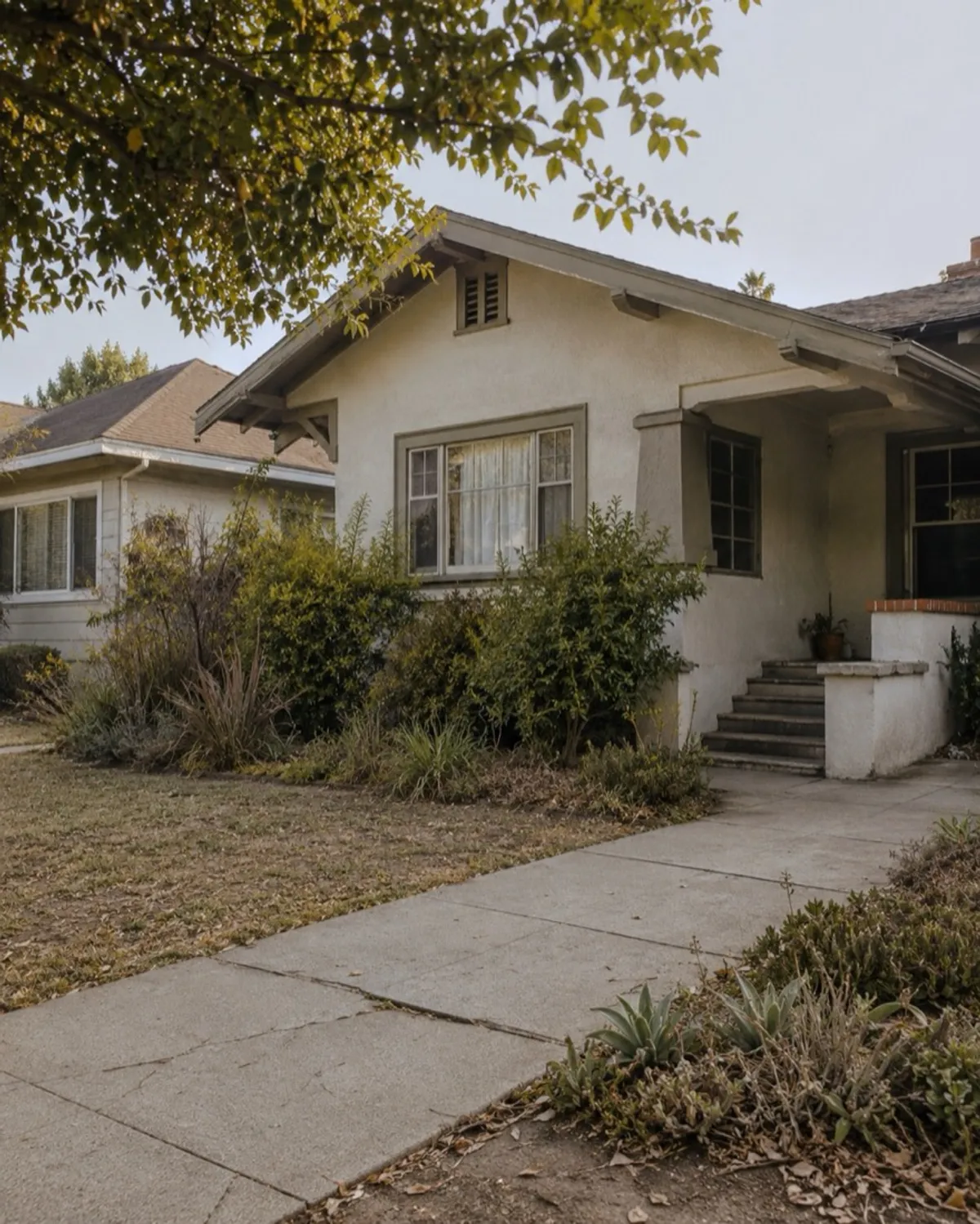
Probate is the court process for transferring what a person owned at death. In Los Angeles County, that process runs through the probate departments at the Stanley Mosk Courthouse on Hill Street downtown, where filings are electronic, hearing dates can sit months out, and a petition with one defect gets continued rather than corrected on the spot. Families usually arrive at our office at one of two moments: right after a death, unsure whether probate is even required, or months into a do-it-yourself filing that has stalled.
Either way, the first step is the same. We map what the person owned and how each asset was titled. Titling is everything. Trust assets pass outside court. Joint tenancy property passes to the survivor. Accounts with named beneficiaries pay directly. What is left, the assets in the decedent's sole name with no beneficiary, determines whether you need full probate, a simplified procedure, or nothing at all.
A full administration follows a sequence that does not bend much. A petition opens the case and, after notice and a hearing, the court appoints a personal representative and issues Letters. The representative inventories the assets, and a court-appointed probate referee appraises everything that is not cash. Creditors get a statutory window to file claims. Taxes get handled. Only then does the representative petition for final distribution, account for every dollar, and, once the order is signed, actually distribute the estate. Done cleanly, the whole arc takes nine to eighteen months. Done sloppily, it takes years, and the stalls trace to the same few mistakes: unanswered probate notes, late inventories, and creditor claims left hanging past their window.
Our role covers all of it: preparing and filing every petition, publishing and serving notices, working with the referee, resolving creditor claims, coordinating the sale of estate real property when the family wants to sell, and preparing the final accounting. You make the decisions a representative must make. We make sure the court has no reason to slow you down.
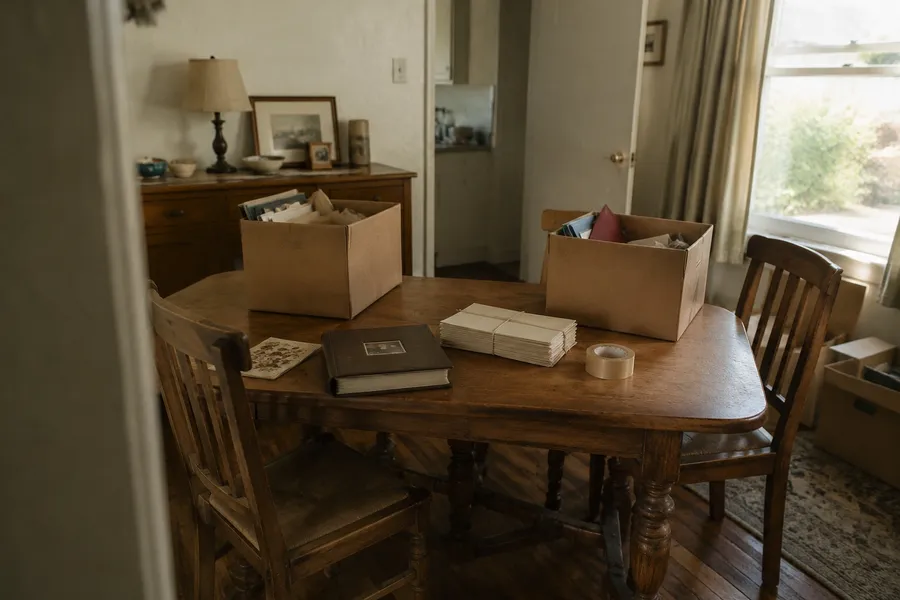
A funded living trust replaces the courtroom with a process the successor trustee runs privately: statutory notices to beneficiaries and heirs, marshaling and valuing assets, paying debts, and distributing under the trust's terms. It is faster and cheaper than probate, but it is not informal. Notice under Probate Code section 16061.7 starts a 120 day clock for contests, and trustees who skip steps answer for it personally. We counsel trustees through the entire administration, and when a trust or will is genuinely wrong, forged, coerced, or the product of a caretaker's undue influence, our litigation practice takes the dispute to court.
California sets ordinary probate attorney fees by statute, so our fee in a standard administration is the same as any other firm's, fixed by the Probate Code and paid from the estate with court approval. What differs between firms is execution: whether petitions are right the first time, whether hearings get continued, whether anyone returns your calls. Trust administrations are billed as quoted flat or hourly fees agreed in writing before we start.
Full court-supervised administration, from the first petition to the final distribution order.
Guiding successor trustees through notices, accountings, and distributions after a death.
Will contests, trust disputes, and fiduciary misconduct cases in the LA probate courts.
Woodbury Law Group carries the estate from the first filing to the final receipt. The attorneys who appear at your hearings are the ones who drafted your petitions, and the ones who answer when you call. Families reach us from across Los Angeles County, from Glendale and Burbank to Pasadena and La Cañada Flintridge, and out-of-state executors handling a California property can complete nearly everything remotely.
If the estate you are handling was never planned, consider what that experience is teaching you. Our estate planning practice exists so your own family never stands where you are standing now.

Not always. If the California estate is worth $208,850 or less (for deaths on or after April 1, 2025), heirs can often use a small estate affidavit instead. Assets held in a trust, in joint tenancy, or with valid beneficiary designations skip probate entirely. We start every matter by checking whether a shortcut applies, because the fastest probate is the one you never open.
Plan on nine months to eighteen months for a routine administration, longer if the estate must sell real property, faces creditor disputes, or draws a contest. The statutory waiting periods alone rule out anything faster than about six months.
California sets attorney and executor fees by statute as a percentage of the gross estate: four percent of the first $100,000, three percent of the next $100,000, two percent of the next $800,000, and smaller percentages above that. Fees are paid from the estate at the end, not by you personally, and every fee must be approved by the court.
No, the estate pays valid debts from estate assets. But an executor who distributes property before creditors and taxes are handled can create personal exposure. That is precisely the kind of misstep we exist to prevent.
A trust avoids court, not responsibility. California law requires formal notice to beneficiaries and heirs, prudent management, accountings, and correct tax handling. Trustees are personally liable for getting it wrong, and the trust typically pays for proper counsel. See our trust administration page for how we structure that work.
Tell us a little about what you need. We will follow up within one business day to set a time that works for you.
A single consultation will tell you whether probate is required, what it will cost, and what happens next.